Dead and Hazardous Tree Removal in Framingham
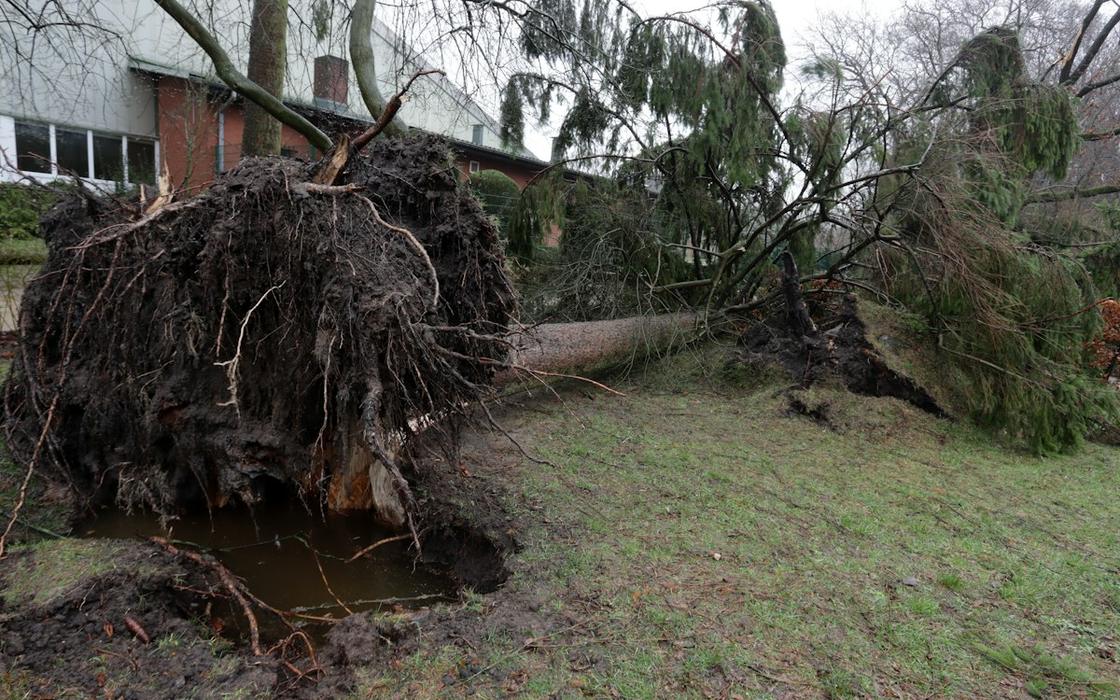
A dead tree does not stay the same. Every season it stands, it gets weaker. Limbs drop first, then the top, and then one day the trunk snaps or the root plate lets go. The goal is to take it down while it is still in one piece and before it picks the time and the direction for you.
Why dead trees get brittle
Living wood bends. Dead wood dries out, and fungi start breaking it down from the inside. Different trees fail in different ways.
- Ash. Ash killed by emerald ash borer turns brittle faster than almost any other tree. Within a year or two of dying, big limbs and even whole trunks can snap with little warning. We see a lot of these around Framingham right now.
- White pine. Dead pines lose their bark in sheets and the tops break out in wind. A tall dead pine near a house in Nobscot or by Lake Cochituate is a real risk.
- Oak. Oaks hold up longer when dead, but heavy limbs still fall, and root rot can drop the whole tree.
- Hemlock. Hemlocks weakened by woolly adelgid often die slowly, then rot at the base.
Bucket truck or climbing
On a healthy tree, a climber ties in and works the tree on ropes. On a dead tree, that is often not safe. The limbs a climber would tie into may not hold his weight, let alone the weight of a cut piece swinging on a rope. So for dead trees we work from a bucket truck whenever we can reach. The climber stays in the bucket, away from the tree, and cuts small pieces that fall clear or get lowered from a separate rigging point.
When the tree is in the backyard and the truck cannot get there, we bring in a crane. See our crane tree removal page for how that works. Either way, nobody hangs off brittle wood.
The insurance side
This part surprises people. When a healthy tree falls in a storm, insurance usually treats it as an act of nature. When a tree that was clearly dead falls, the story can change. If the owner knew or should have known the tree was a hazard, the insurer may push back on the claim, and if it lands on a neighbor's house, the owner can be on the hook. A dead tree you knew about is a known risk.
The same goes the other way. If your neighbor's dead tree hangs over your house, put your concern in writing to them. Our guide on signs a tree is dangerous lists the warning signs to point to.
How fast can it come down
A dead tree over the house or the driveway moves to the front of our list. Most others get scheduled within a week or two. If a dead tree has already started dropping big limbs, or a storm is coming, call and tell us. If it has already fallen, go to our emergency tree service page.
As with any removal, we chip the brush, haul the wood and clean up. Dead ash and pine make poor firewood once they start to rot, so most people let us take it. Stumps can be ground the same day.
Call (508) 555-0142 or use the form on this page for a free written estimate on dead & hazardous tree removal in Framingham.
Common Questions
- How do I know if my tree is dead?
- Look for no leaves in late spring, bark falling off in sheets, bare gray wood, mushrooms at the base, and dry, snapping twigs. If only part of the tree has these signs, it may be dying rather than dead. We can tell you which.
- How long can a dead tree stand?
- Some stand for years. Dead ash can fail within one or two years. There is no safe way to predict it, so a dead tree near a house, a road or a play area should come down soon.
- Is a dead tree removal more expensive?
- Sometimes. Dead wood may require a bucket truck or crane instead of a climber, which can add cost. Waiting rarely saves money, since a failed tree usually costs more to clean up than a standing one costs to remove.
- Will insurance pay to remove a dead tree before it falls?
- Most homeowners policies do not pay to remove a standing tree. They treat it as upkeep. That is part of why it makes sense to handle it before it falls on something.